The restaurant industry is on the cusp of a radical transformation, and AI is the driving force. Marc Lore, founder of Wonder, envisions a future where anyone can launch a virtual restaurant brand with just a prompt, thanks to the power of artificial intelligence. This vision centers around turning robotic kitchens into sophisticated, AI-driven “restaurant factories”. This innovative approach could dramatically lower the barrier to entry for aspiring restaurateurs, potentially reshaping the food landscape as we know it.
The Rise of AI-Powered Restaurants
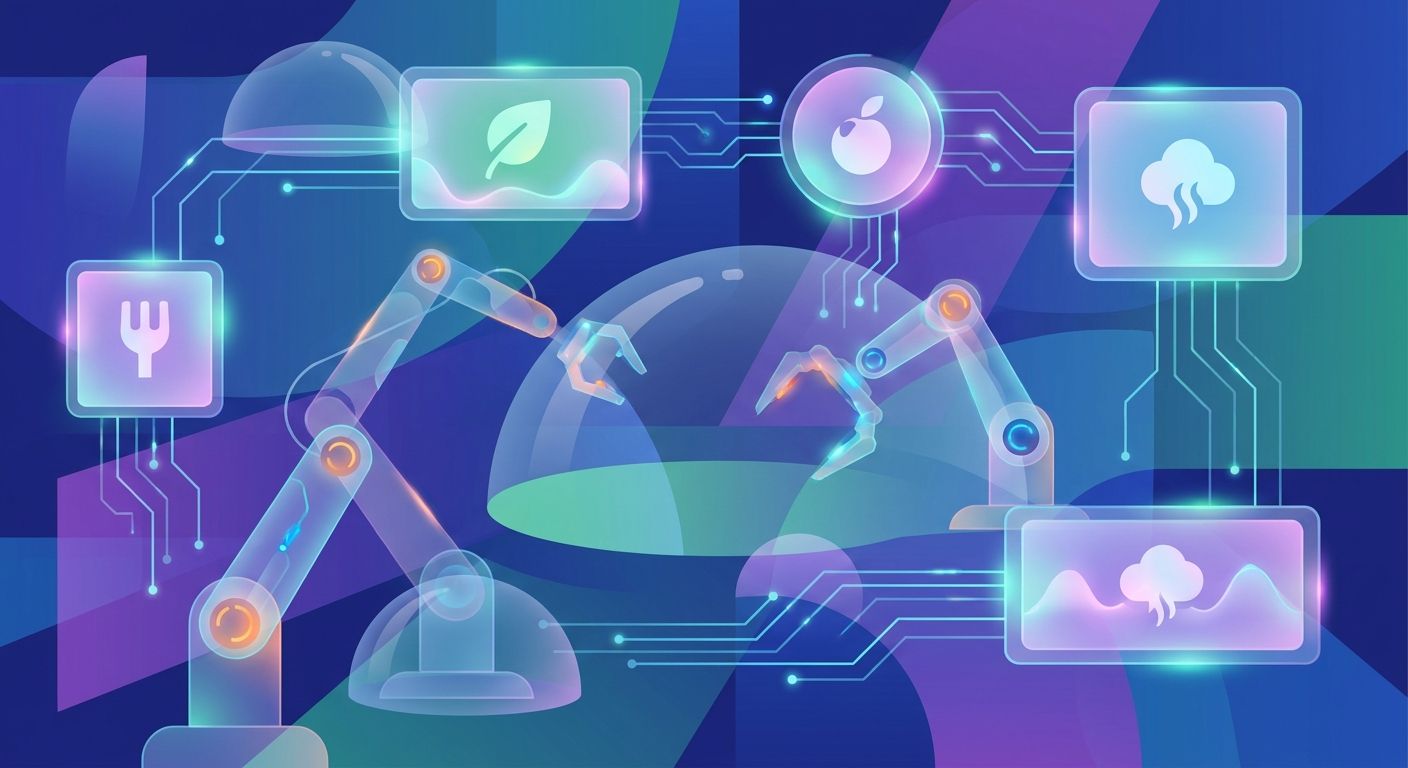
Lore’s Wonder is pioneering this change by developing robotic kitchens that can autonomously prepare a wide range of dishes. By integrating AI, these kitchens can optimize recipes, predict demand, and even personalize the dining experience for individual customers. Imagine a world where creating a new food brand is as simple as describing it to an AI, which then designs the menu, optimizes the cooking process, and even manages marketing. Could this shift impact even WordPress-based online ordering systems that so many restaurants rely on today?
This concept, while ambitious, has the potential to democratize the restaurant industry, allowing individuals with great food ideas but limited resources to compete with established chains. According to a recent article on TechCrunch article on TechCrunch, the integration of AI and robotics is key to scaling this vision. The focus on efficiency, consistency, and personalization is core to Lore’s vision.
Impact on WordPress and Online Ordering
Many restaurants rely on WordPress and e-commerce plugins like WooCommerce for their online ordering systems. As AI-powered restaurants become more prevalent, these systems will need to adapt. We might see plugins emerge that directly integrate with these AI kitchen systems, automatically updating menus, managing orders, and providing real-time feedback to the AI about customer preferences. This could also mean greater personalization, offering dynamically generated menu options based on customer data. For restaurant owners, this could mean more time to spend growing their business, or even launching a new virtual brand without needing to hire a full staff. Speaking of business, make sure your restaurant site isn’t losing money by checking up on your website performance regularly.
However, the rise of AI in the restaurant industry raises questions about job displacement and the future of human chefs. While some roles may become automated, new opportunities will likely emerge in areas such as AI training, system maintenance, and culinary innovation. It will be interesting to see how this technology impacts the AI marketing landscape in the restaurant industry. For example, will we see AI-powered dynamic advertising become commonplace in the near future?
The AI-powered restaurant revolution is just beginning. As technology continues to evolve, we can expect even more innovations that transform how we create, deliver, and experience food. The journey of Wonder and similar ventures will be interesting to watch as they unfold in the coming years.