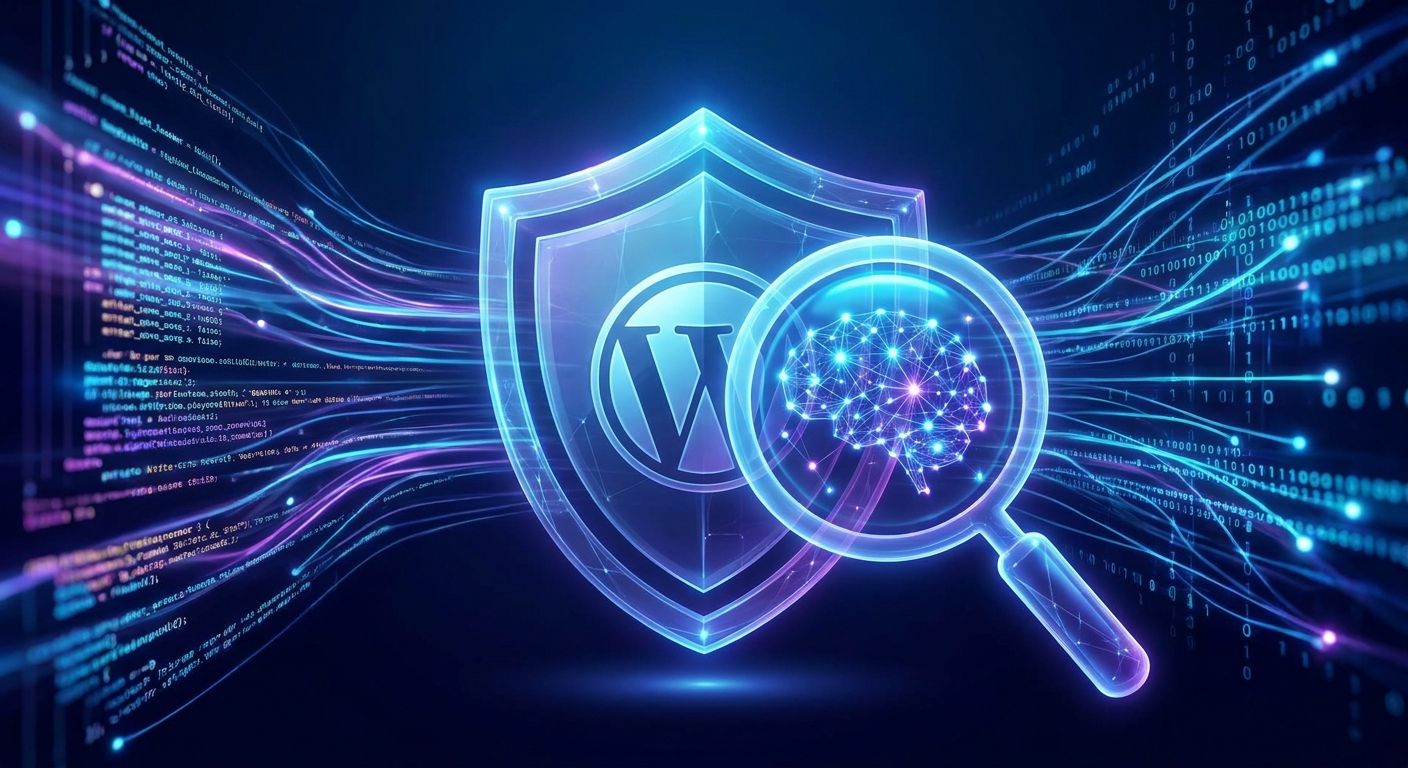
The security landscape of the WordPress ecosystem is facing unprecedented challenges as bad actors increasingly target the plugin supply chain. In a recent podcast interview hosted on WP Tavern, Nathan Wrigley spoke with Austin Ginder about how modern AI WordPress security methodologies are becoming crucial for exposing malicious code hidden inside seemingly legitimate plugin updates.
Scaling Threat Detection with AI WordPress Security
Supply chain attacks typically involve malicious actors acquiring established WordPress plugins, building developer trust, and subsequently releasing updates that contain malicious code or hidden backdoor mechanisms. This strategy allows attackers to quietly compromise thousands of websites at once. To combat this growing threat, Ginder leveraged advanced artificial intelligence tools to parse massive amounts of code, tracing suspicious patterns across multiple plugins. This breakthrough led him to establish WP Beacon, a dedicated resource tracking these specific security threats.
For site owners and developers, relying on traditional, signature-based scanners is no longer enough. Incorporating AI-driven code auditing, as discussed in our deep dive into the best AI tools for WordPress developers, offers a proactive way to flag anomalous code behaviors before they go live. This paradigm shift in AI WordPress security helps identify stealthy obfuscation techniques that manual reviews might miss.
The responsibility of safeguarding the ecosystem does not fall solely on individual creators. Hosting companies, automated guardrails, and community-driven oversight play an essential role. As we continue to document the growing threat of WordPress supply chain attacks, the integration of artificial intelligence will undoubtedly remain a cornerstone of modern defense, helping developers stay one step ahead of sophisticated bad actors.